AI optimized PDF Converter vs Sologang
Comprehensive feature analysis, ratings breakdown, platform compatibility, and community review comparison.
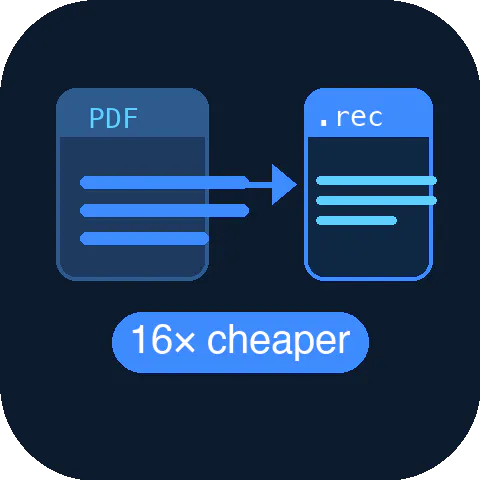
AI optimized PDF Converter
PDF for AI. AI Native PDF Converter.
Detailed Feature Comparison Matrix
Compare Other Tools| Dimension | AI optimized PDF Converter |  Sologang Sologang |
|---|---|---|
| Primary Category | Productivity | Productivity |
| Community Rating | No ratings(0 reviews) | No ratings(0 reviews) |
| Community Upvotes | 9 votes | 7 votes |
| Supported Platforms | Web | Web |
| Tags & Focus | #Productivity | #SaaS#Productivity#OpenAI Day |
| Maker / Company | Independent Developer | Independent Developer |
| Platform Verification | Community Listing | Community Listing |
About AI optimized PDF Converter
About Sologang
Sologang is positioning itself as the ultimate Execution OS specifically built for solo founders and indie makers. Moving beyond the standard conversational AI chatbot, Sologang equips users with a six-role, bring-your-own-key (BYOK) C-suite that actively analyzes your actual product, diagnoses venture bottlenecks, and constructs structured, actionable roadmaps. Instead of merely offering advice, the platform stages the work, allowing founders to review outputs, hit sign-off, and push finalized actions directly into external productivity tools like GitHub and Slack. Security and cost control are core pillars of the platform's architecture. Because it utilizes a BYOK model with device-bound keys, users face zero API markups and retain complete privacy over their credentials. Additionally, built-in 'Budget Guardrails' allow founders to strictly cap their daily or project-based AI expenditures. By combining strategic C-suite simulation with tangible execution controls, Sologang bridges the gap between high-level planning and day-to-day operational output.
Pros of Sologang
- Equips solo founders with a multi-role virtual C-suite that transitions from planning to direct task staging.
- Utilizes a BYOK (Bring Your Own Key) model with device-bound storage, ensuring zero API markups and complete data privacy.
- Features strict Budget Guardrails to monitor and cap AI spending on a daily or per-project basis.
Cons of Sologang
- Requires users to supply their own API keys, which may introduce initial setup friction for non-technical founders.
- External integrations are currently limited to a handful of platforms like GitHub and Slack, though more are promised.
Frequently Asked Questions
What does BYOK mean for Sologang?
BYOK stands for Bring Your Own Key. Your AI keys remain strictly device-bound, meaning you pay provider rates directly with zero platform markups and complete data privacy.
Can Sologang automatically push code or messages to my tools?
Yes. Once you review the AI team's staged work and hit sign-off, Sologang can push actions directly to connected external tools like GitHub and Slack.